
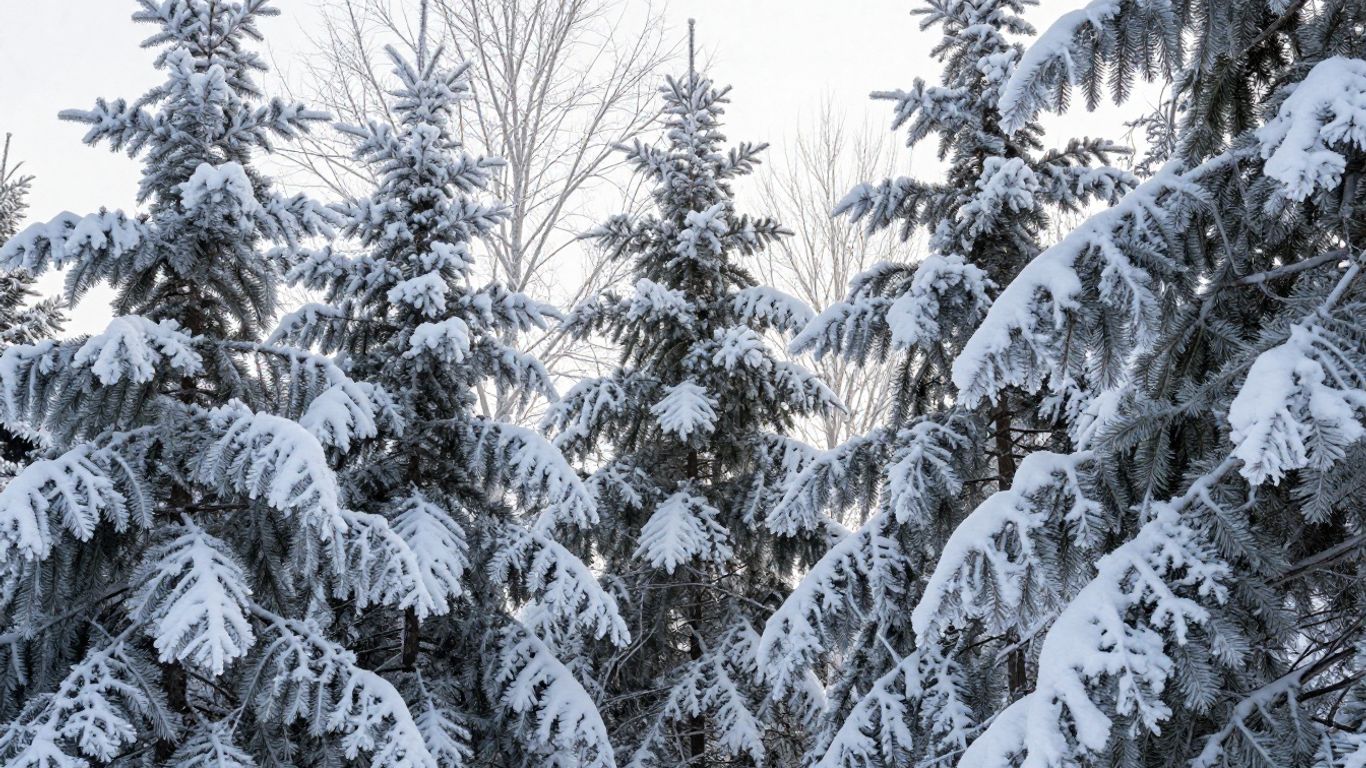
Snow-covered trees can look beautiful around Fredericton in winter, but they might be hiding some real problems underneath. Heavy snow and ice put a lot of pressure on branches, and sometimes trees just can’t handle it. A tree that looks fine one day can be leaning or cracked the next after a wet, heavy snowfall, and that kind of damage often doesn’t announce itself until it’s already serious. If you’ve got a few trees on your property, keeping them healthy through winter matters for how well they bounce back once spring rolls around. Calling an arborist before the weather warms up can make all the difference. Here’s what to know about when it’s time to get a professional to check your snow-covered trees.
Key Takeaways
- Snow and ice can cause hidden damage to trees, even if they look fine at first glance.
- Look for warning signs like cracked branches, leaning trunks, or too much snow piled on certain limbs.
- Don’t try to shake snow or ice off your trees, this can actually make things worse.
- The best time to call an arborist is after a big winter storm or as temperatures start to rise before spring.
- Professional help now can prevent bigger problems, and costs, when spring arrives.
The Beauty and Danger of Snow-Covered Trees
Snow on tree branches can change a Fredericton neighbourhood overnight. There’s something special about the way every twig and pine needle sparkles after a fresh snow, frosty branches create a scene that looks like a postcard. But underneath that pretty layer of white, there are serious hazards most homeowners never think about.
Here’s what happens when trees get covered in snow:
- Branches weighed down by snow can sag or even crack.
- Limb breakage becomes a real concern for homes and cars parked nearby.
- Accumulated snow sometimes hides stress fractures left over from an earlier ice storm.
Tree conditions can get worse without obvious signs. Damage isn’t always visible right away, and trees that seem sturdy might break apart days or weeks after a snowstorm. It’s not just the snow either, when ice comes into play, branches can drop with no warning, sometimes taking down power lines or blocking driveways. This is one of the more common reasons we get called out for emergency tree removal in the weeks following a major Fredericton storm.
With every snowstorm, trees face new risks. All that weight and cold can ruin branches that look perfectly healthy from the outside, so it pays to keep an eye on them before the next storm arrives.
Why Snow Accumulation Can Be Harmful to Trees
It might look pretty, all those snow-covered branches, but that fluffy white stuff can actually be a real problem for your trees. It’s not just about the weight, though that’s a big part of it. When snow and ice pile up, it puts a ton of stress on tree limbs. A single branch can end up holding hundreds of pounds of extra weight, especially if it’s coated in ice. This extra load can easily lead to branches snapping off, sometimes taking larger sections of the tree with them.
Weight Stress and Branch Breakage
Heavy snow and ice add significant weight to tree branches. As a rough field guide, a half-inch of ice coating can add roughly 30 to 50 pounds of extra load per linear foot of branch, and wet, heavy snow isn’t far behind. Trees that handle a bit of wind just fine can buckle under that kind of load. Fast-growing trees with softer wood, like silver maple and Manitoba maple, both common around Fredericton yards, are particularly vulnerable because their wood fibres are less dense and more prone to sudden failure rather than gradual bending. Even healthy trees can suffer from this, but those with pre-existing issues, co-dominant stems or included bark at a branch union, for example, are at much higher risk of a full split rather than a clean break.
Ice Encapsulation and Suffocation
Sometimes it’s not just the weight. When ice completely encases branches and buds, it can block the tree’s ability to exchange moisture and absorb sunlight. While trees are dormant in winter, they still carry on biological processes. A thick layer of ice can prevent that exchange and, in extreme cases, suffocate small twigs and buds, leading to dieback in spring. This is especially true for evergreens like white spruce and eastern white cedar, which get fully encased more easily than deciduous trees.
Damage to Young or Weakened Trees
Young trees still establishing their structure are more susceptible to damage from snow and ice. Their branches might be more flexible but also less able to support heavy loads. Trees that have already suffered damage from pests, disease, or previous storms, including ash trees weakened by Emerald Ash Borer, which we see regularly across the Fredericton area, are already compromised. The added stress of winter weather can be the final straw that turns a minor issue into a major structural problem.
Winter weather can turn small problems into big ones very quickly. What seems like a minor crack or weak point during warmer months can become a critical failure when loaded with ice and snow. The freeze-thaw cycles typical of a New Brunswick winter also worsen existing damage, making trees progressively weaker as the season goes on.
Signs Your Trees Need Professional Attention
Sometimes, even before spring shows up, trees give clear signals that they’re in trouble. Winter’s weight can expose problems that were hidden during warmer months. Paying attention to a few key signs can help you avoid bigger issues down the road.
Visible Cracks or Splits in Branches
Cracks and splits are a tree’s stress fractures. When snow and ice pile up, they add a lot of weight, and if a branch already has a weak spot, that’s where it’s likely to give way. You might see bark peeling away, or a V-shaped split where two branches meet, arborists refer to this as included bark, and it’s one of the weakest structural points a tree can have. These aren’t just cosmetic issues, they’re serious structural weaknesses. Under ANSI A300 pruning standards, a crack extending more than a third of the way through a branch’s diameter is generally considered a failure risk requiring removal rather than cabling or bracing. If you notice deep cracks, especially in larger branches or where branches join the trunk, it’s worth getting a tree risk assessment before the problem grows.
Leaning or Uprooted Trees
If a tree that used to stand tall is suddenly leaning, that’s a big red flag. It often means the root system is compromised, from soil heaving due to freezing and thawing, or from the sheer weight of snow and ice. You might even see soil pushed up or cracked around the base of the trunk, sometimes forming what we call a soil mound or lifted root plate on the side opposite the lean. A tree leaning toward your house or a walkway is a serious hazard, it’s not a matter of if it will fall, but when. For situations like this, you likely need emergency tree removal rather than routine pruning.
Excessive Snow or Ice on Specific Branches
Trees are generally built to handle some winter weather, but certain branches can become overloaded, particularly on trees with weaker branch structures or those already stressed. If you see a branch bending dramatically under the weight, or an unnatural accumulation of snow and ice on just one part of the tree, it could signal trouble. Sometimes a branch is already cracked or damaged in a way that causes snow to collect there more than elsewhere, and that localized stress can lead to breakage.
Don’t underestimate the power of winter weather. What looks like a minor issue now can become a major problem when the snow melts, or a strong wind blows. Contact Ideal Tree Service for snow removal services.
When to Contact an Arborist Before Spring
As the last of the winter storms fade and the first hints of spring appear, it’s a good time to think about your trees. Winter can be tough on them, and sometimes the damage isn’t obvious until the weather starts to warm up.
After Severe Winter Storms
If your area experienced heavy snow, ice, or strong winds, it’s worth getting a professional opinion, even if a tree looks okay from a distance. You can check Environment and Climate Change Canada’s weather warnings for the Fredericton region to see how severe a recent storm was rated, which gives a useful baseline for how thorough an inspection should be.
- Check for broken or hanging branches: obvious hazards, but sometimes branches are cracked and still attached, posing a risk as they fall later.
- Look for signs of stress: new cracks in the trunk or major limbs, branches bent at unnatural angles from the snow load.
- Assess the overall structure: leaning or shifting after the storm can indicate root damage.
An arborist inspecting your trees after a major storm can spot problems you might miss and provide spring maintenance advice tailored to your property. During a post-storm inspection, we typically check trunk taper and lean angle from at least two vantage points, look for fresh soil cracking at the root collar, and tap or sound larger limbs for hollow spots that can indicate internal decay hidden under intact bark. Sometimes the most serious damage isn’t visible at first glance; a professional inspection can reveal subtle weaknesses that surface as the tree starts its spring growth.
As Temperatures Begin to Rise
Even without a severe storm, the transition from winter to spring is a critical period. As sap starts to flow and buds swell, existing damage can be exacerbated.
- Ice encapsulation: branches encased in ice for a long stretch might be weakened; an arborist can assess this and suggest pruning if needed.
- Weight stress: heavy snow puts prolonged stress on branches, and even after it melts, the stress could have caused micro-fractures.
- Dormant season work: winter is often the best time for pruning or removal, since trees are dormant and the ground is firmer, minimizing stress on the tree and making the job safer for the crew. If you’ve been putting off any tree trimming or pruning, now is the time to schedule it before the busy spring season kicks in.
Heavy snow and ice storms leave trees with serious hidden damage, cracked branches, split trunks, and weakened roots that turn into dangerous hazards by spring. From emergency inspections to safe and professional tree removal in Fredericton, our ISA-certified arborists are ready to assess and protect your property before the damage gets worse. Don’t wait for a fallen branch to cause costly repairs, contact us today for a free quote and let our certified team handle it safely and efficiently.
Wrapping Up: Your Trees Will Thank You
As winter winds down, a little bit of attention now can make a big difference come spring. Checking on your trees, especially after a tough winter, is just smart. If you see anything that looks off, a weird lean, a broken branch that won’t quit, or just a general feeling that something’s not right- don’t hesitate to call in a pro. An arborist can spot problems you might miss and help your trees get back to their best, giving them the best shot at looking great and staying healthy when the weather warms up. Check out more seasonal tree care tips on our blog throughout the year.
Frequently Asked Questions
Why is snow bad for trees?
Heavy snow and ice can weigh down tree branches, making them crack or break. Ice can also completely cover a tree, making it hard for it to exchange moisture and air. Young or already weak trees are more likely to get hurt by winter weather.
What signs show a tree needs help?
Look for cracks or splits in branches, especially large ones. If a tree is leaning a lot or seems like it might fall over, that’s a big warning sign. If one part of the tree has way more snow or ice on it than the rest, it might be weaker there.
When should I call an arborist after a big snowstorm?
If a winter storm was particularly harsh and you see warning signs like broken branches or leaning trees, it’s a good idea to call a tree expert. They can check if your trees are safe and what needs to be done before spring.
Is winter a good time to remove a tree in Fredericton?
Yes, often winter is the best time. Trees have no leaves, so arborists can see the whole structure better. The ground is usually firmer too, which makes it safer and causes less damage to your yard, and many pests and diseases are inactive in the cold.
What should I NOT do with an icy tree?
Don’t try to shake the ice off or hit the branches, this can cause more damage. Avoid spraying the tree with water, since it will just freeze and make things worse. Never use salt or ice melt products around trees, as they can harm the roots.
When else might I need an arborist in winter?
Call an arborist if you can’t safely reach a damaged branch from the ground, if your tree looks sick or stressed, or if you suspect it has pests or disease. They have the tools and knowledge to fix problems you can’t handle yourself.